
For decades, spreadsheets were the backbone of supply chain management.
Procurement teams tracked suppliers in spreadsheets. Warehouse managers monitored inventory using spreadsheets. Transportation teams relied on spreadsheets for shipment planning and carrier performance.
The approach worked when supply chains were smaller and less connected.
Today's business environment is different.
Global sourcing, omnichannel fulfillment, volatile freight markets, and increasing customer expectations have created supply chains that move too quickly for manual reporting and disconnected systems.
This is why supply chain control towers are rapidly becoming one of the most important investments for modern organizations.
The question many executives are now asking is simple.
Are businesses finally moving beyond spreadsheets?
What Is a Supply Chain Control Tower?
A supply chain control tower is a centralized platform that provides real time visibility across suppliers, inventory, warehouses, transportation providers, and customer orders.
Instead of managing separate reports from different departments, leadership teams gain a single view of operational performance.
A modern control tower can provide visibility into:
Supplier performance
Inventory levels
Shipment status
Carrier delays
Warehouse utilization
Demand fluctuations
Customer service metrics
The objective is not simply collecting data.
The objective is enabling faster and better decisions.
Why Spreadsheets Are Becoming a Competitive Risk
Spreadsheets remain useful for analysis and planning.
The problem arises when businesses rely on them as the primary operating system for supply chain decisions.
Several challenges are becoming increasingly common:
Delayed Decision Making
By the time reports are consolidated, the problem may already be affecting customers.
Limited Visibility
Teams often operate using different versions of the same information.
Higher Operational Risk
Manual reporting increases the likelihood of errors and missed opportunities.
Poor Collaboration
Departments frequently work in silos rather than from a shared operational view.
For growing organizations, these challenges become increasingly expensive over time.
Why Executives Are Investing in Control Towers
Business leaders are no longer satisfied with understanding what happened last month.
They want to know:
Which suppliers create the highest risk?
Which shipments are likely to miss delivery targets?
Where inventory shortages may occur next week?
Which customers could be affected by disruptions?
Control towers provide proactive answers rather than reactive reports.
This shift has transformed supply chain visibility from an operational benefit into a boardroom priority.
The Technology Behind Modern Control Towers
Several technologies are powering this transformation.
Artificial Intelligence
AI identifies patterns and predicts disruptions before they impact operations.
Predictive Analytics
Businesses can simulate scenarios and prepare contingency plans.
Internet of Things Devices
Real time tracking provides visibility throughout transportation networks.
Automation
Routine operational decisions can be executed automatically based on predefined rules.
Together these technologies create a more agile and responsive supply chain environment.
Why Technology Alone Is Not Enough
Many businesses assume implementing software automatically improves performance.
Unfortunately, technology often exposes operational weaknesses rather than solving them.
Poor supplier processes, inaccurate inventory data, and fragmented workflows remain problems regardless of the platform being used.
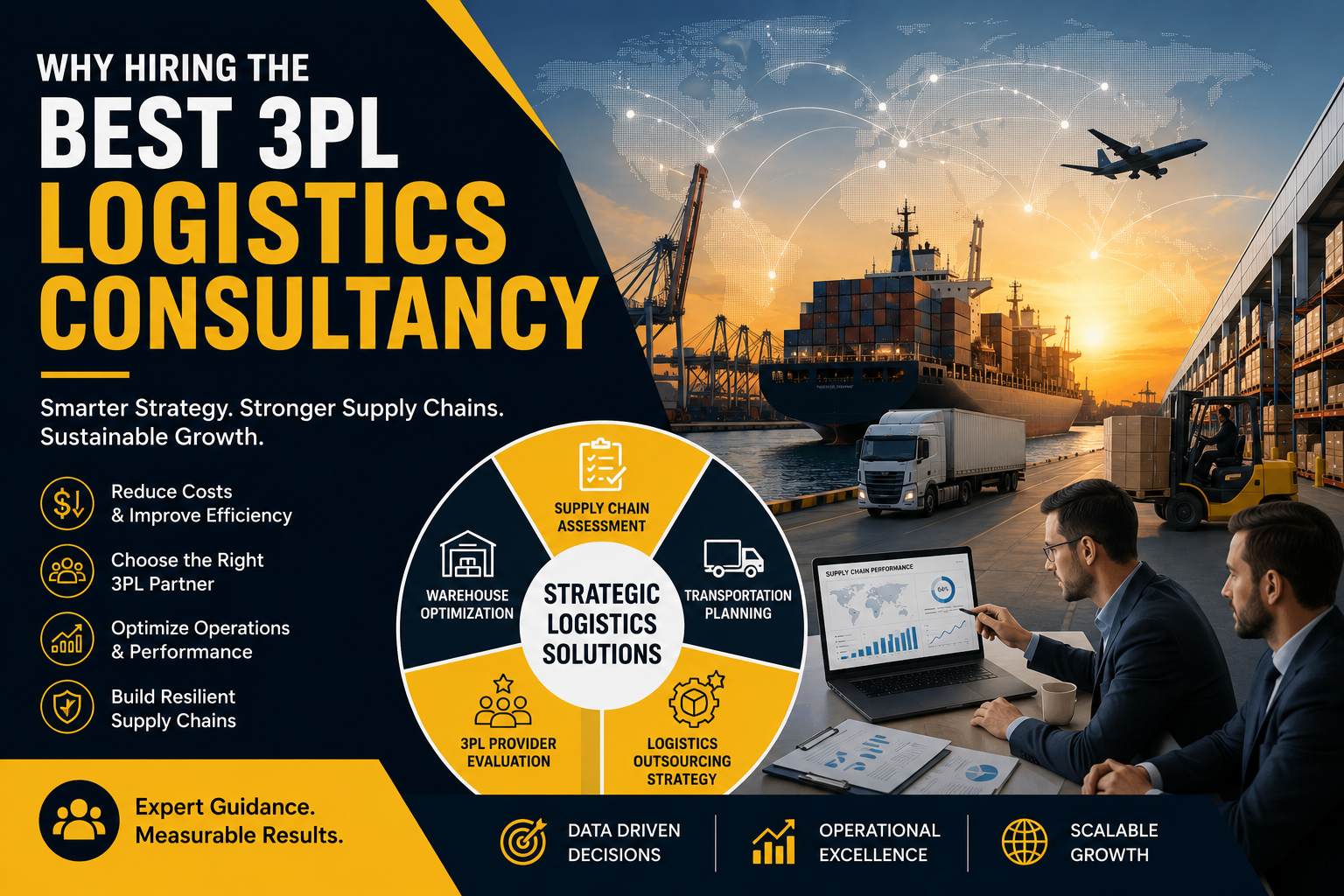
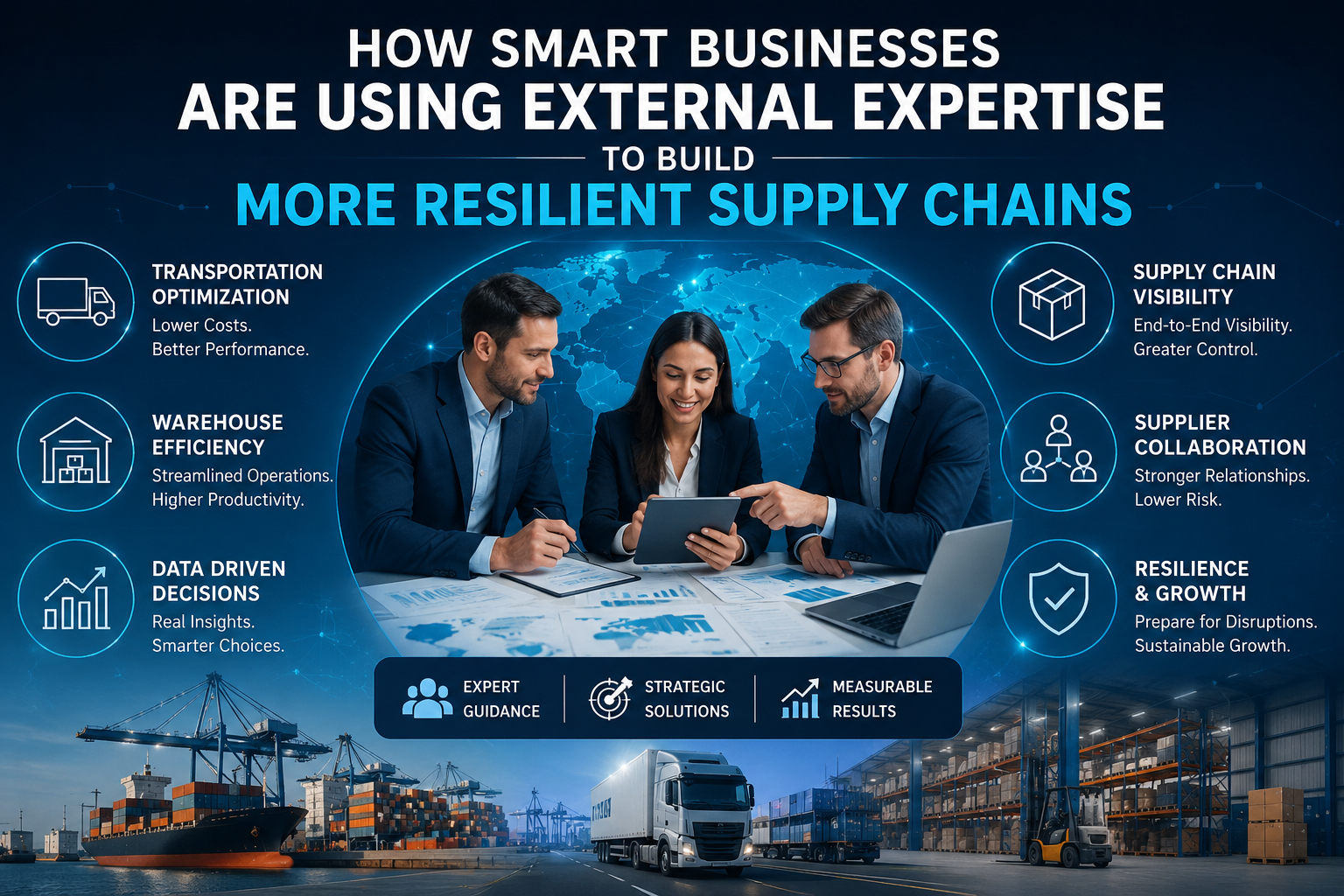
This explains why organizations increasingly work alongside experienced 3PL supply chain consultants to align technology investments with broader business objectives.
Experienced third party logistics advisors, logistics transformation specialists, and supply chain optimization experts help ensure that technology supports strategy rather than replacing it.
The Growing Role of External Expertise
Control tower implementation touches almost every department in an organization.
Procurement teams require different insights than transportation managers.
Warehouse leaders have different priorities than finance teams.
Creating alignment across these functions requires both operational knowledge and strategic planning.
Many businesses therefore rely on experienced 3PL consulting specialists, outsourced logistics advisors, and distribution strategy professionals to support implementation and change management.
Organizations exploring operational improvements often begin by understanding how external expertise contributes to smarter supply chains through resources such as How Supply Chain Consultants Help Businesses Build Smarter Operations.
The Future Is Decision Intelligence
The next evolution of control towers goes beyond visibility.
Businesses are moving toward decision intelligence.
Instead of simply identifying disruptions, systems will increasingly recommend actions and evaluate potential outcomes automatically.
Examples include:
Recommending alternative suppliers.
Suggesting inventory reallocations.
Optimizing transportation routes.
Identifying potential service failures before customers are affected.
Organizations adopting these capabilities early are likely to gain significant competitive advantages.
Who Benefits Most From Supply Chain Control Towers?
While large enterprises were early adopters, mid sized businesses are now investing heavily in these platforms.
The greatest benefits are often seen by:
Business owners seeking operational visibility.
Operations managers responsible for efficiency.
Procurement managers managing supplier risk.
Supply chain directors focused on resilience.
Executives making strategic investment decisions.
These organizations recognize that decision speed increasingly determines competitive advantage.
Industry Adoption Continues to Accelerate
The movement toward connected and intelligent supply chains continues gaining momentum.
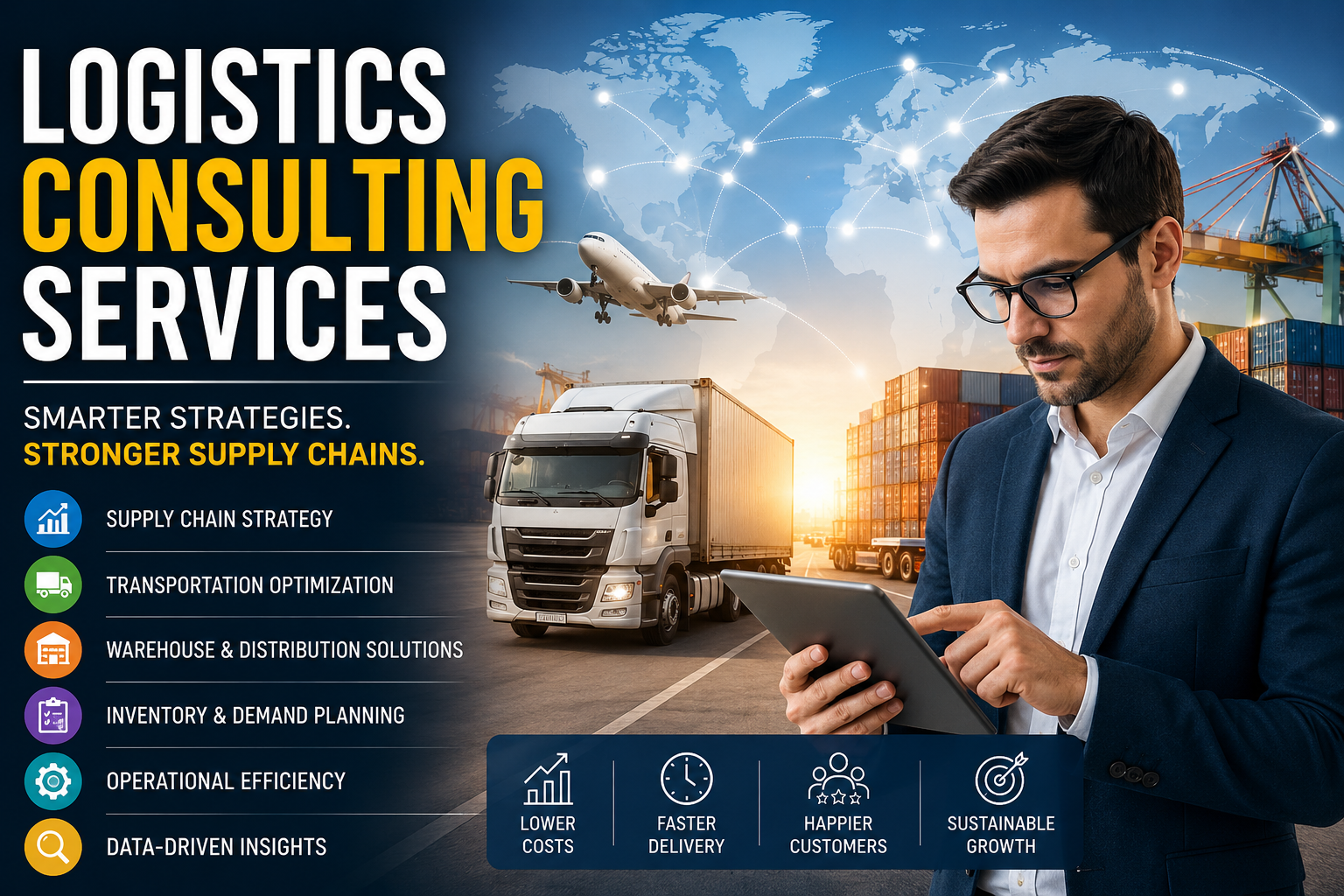
Businesses looking to understand broader market trends surrounding operational advisory and transformation often explore additional perspectives available through Logistics Consulting Services Guide.
Similarly, companies evaluating outsourced operational models frequently review examples of scalable logistics partnerships such as those discussed in How a 3PL Logistics Service Provider Helps Businesses Scale Faster and Smarter.
Conclusion
Spreadsheets are not disappearing anytime soon.
However, their role inside supply chains is changing.
Businesses can no longer rely on disconnected reports and manual updates to manage increasingly complex operations.
Supply chain control towers offer something spreadsheets cannot.
Real time visibility.
Predictive insights.
Faster decisions.
Stronger resilience.
As this transformation continues, experienced 3PL supply chain consultants, logistics strategy experts, and supply chain advisory professionals will play an increasingly important role in helping organizations convert data into competitive advantage.

Write a comment ...