
Supply chain disruptions are no longer rare events. They have become part of modern business reality.
From unpredictable freight markets to supplier instability and changing customer expectations, companies face increasing pressure to make faster and smarter decisions. Many organizations respond by investing in new technologies or expanding internal teams, yet operational challenges often continue to appear.
The reason is simple. Technology improves visibility, but strategy creates resilience.
This shift explains why business owners, procurement managers, operations leaders, and supply chain executives are increasingly seeking guidance from experienced 3PL consultants, third party logistics advisors, and logistics strategy specialists who can provide an independent view of operational performance.
Why Traditional Logistics Models Are Under Pressure
For years, supply chain management focused primarily on cost reduction.
Today, the conversation has changed.
Businesses must balance cost efficiency with service reliability, flexibility, risk management, and customer satisfaction.
A delayed shipment no longer affects only transportation costs. It can impact inventory levels, production schedules, customer relationships, and revenue targets.
Organizations that continue relying on reactive decision making often find themselves solving the same problems repeatedly rather than eliminating their root causes.
The Growing Value of External Supply Chain Expertise
Internal teams understand their operations better than anyone else. However, daily responsibilities can make it difficult to identify long term improvement opportunities.
External specialists bring a fresh perspective and often uncover inefficiencies that have gradually become accepted as normal operations.
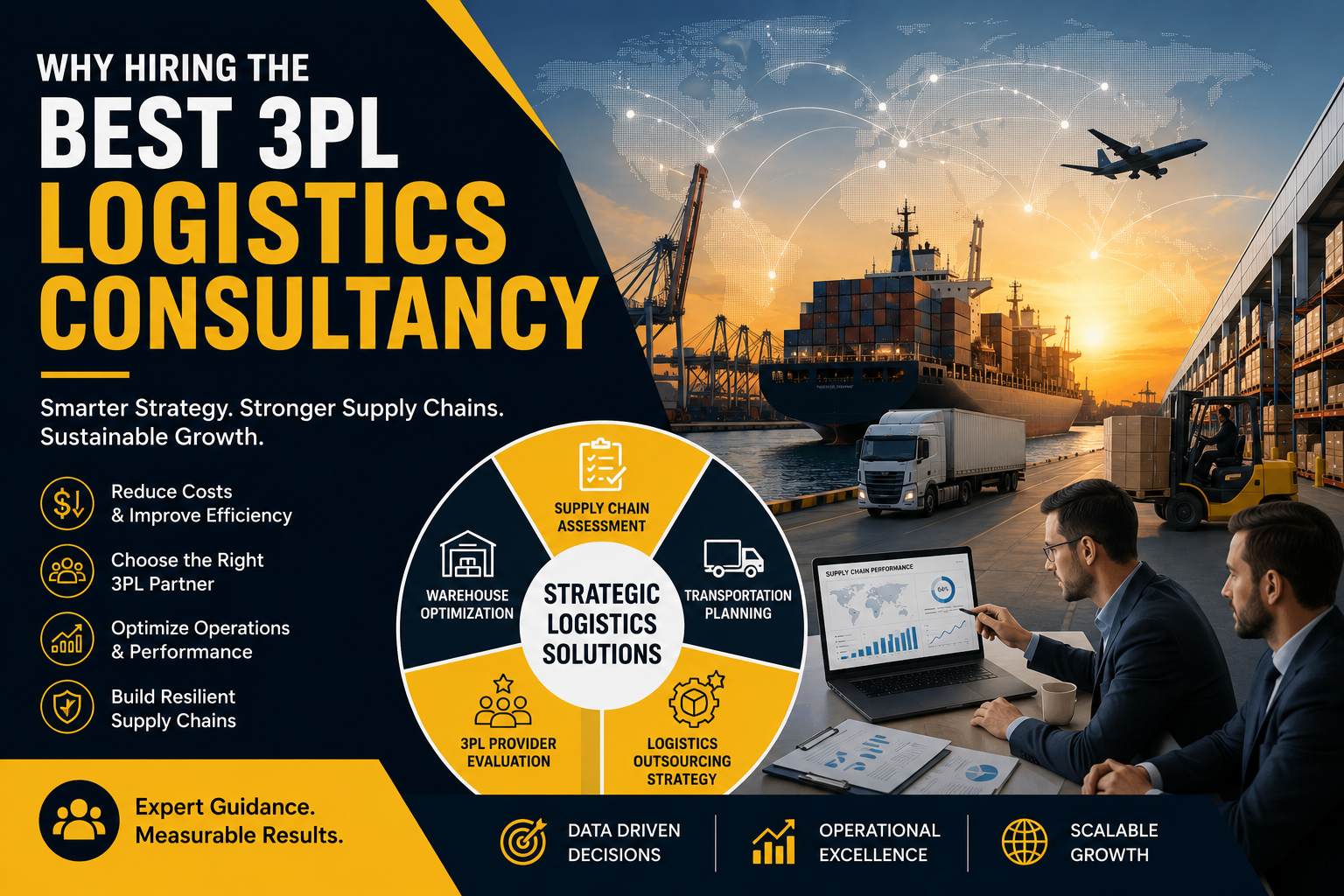
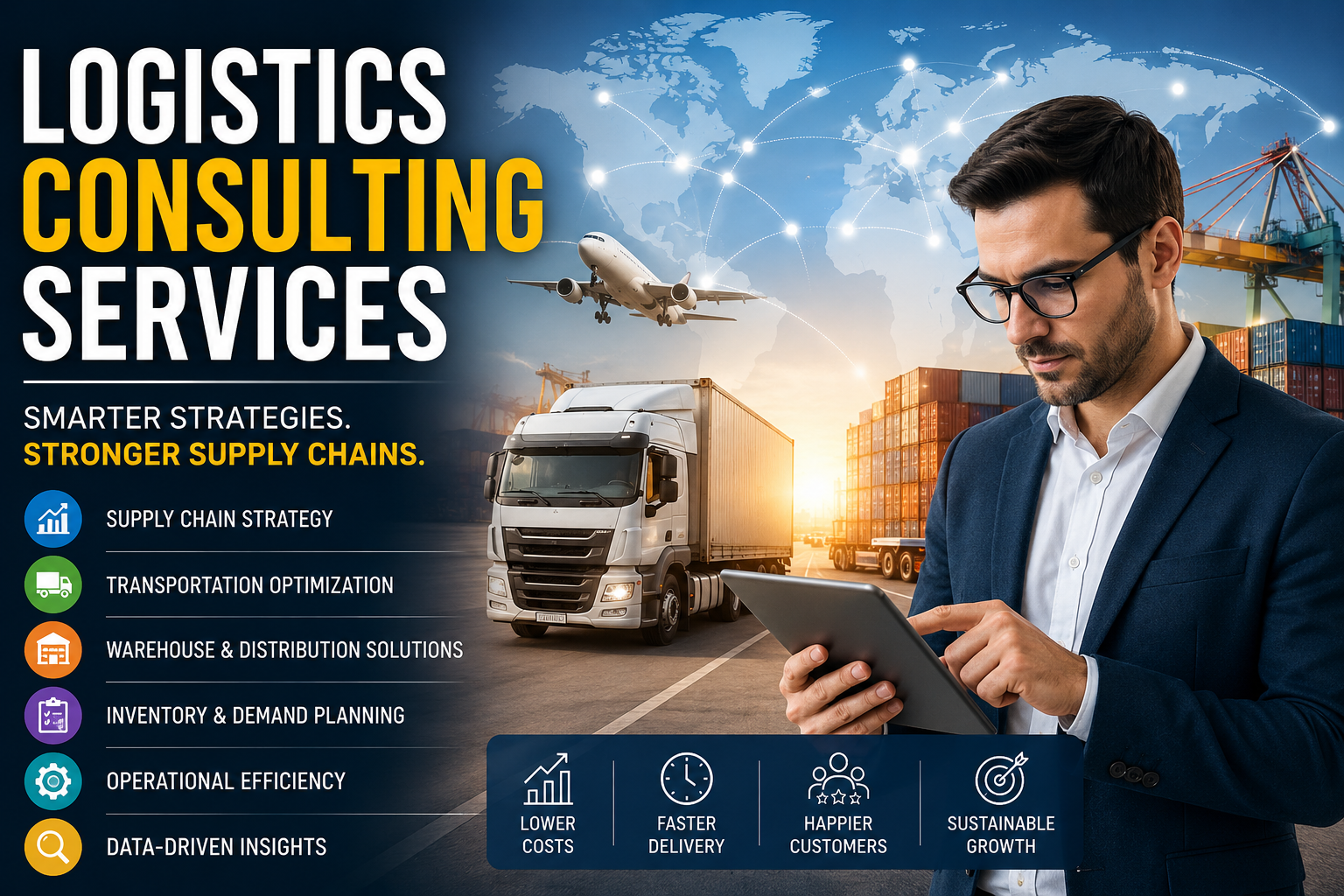
Experienced 3PL consulting professionals commonly support businesses in areas such as:
Transportation Optimization
Reducing unnecessary freight expenses while improving service performance.
Inventory Planning
Creating the right balance between product availability and inventory carrying costs.
Warehouse Efficiency
Improving operational workflows, storage utilization, and order accuracy.
Supplier Performance
Strengthening supplier relationships while reducing operational risk.
Network Design
Building distribution strategies that support future business growth.
Many organizations exploring operational improvements first begin by understanding how experienced professionals are helping reshape modern supply chains through practical and measurable strategies such as those discussed in this article on modern supply chain transformation available through industry insights on modern supply chain transformation.
Visibility Has Become a Competitive Advantage
Business leaders no longer want reports explaining what happened last month.
They want information that helps them predict what may happen next week.
Organizations with strong supply chain visibility are often able to:
Respond faster to disruptions.
Improve customer communication.
Reduce emergency freight spending.
Improve demand forecasting.
Make better procurement decisions.
This level of visibility requires more than software implementation.
It requires processes, accountability, and strategic alignment across the entire operation.
Many businesses work with experienced outsourced logistics advisors to bridge the gap between technology investments and operational outcomes.
Technology Is Only Part of the Solution
Artificial intelligence, predictive analytics, transportation management systems, and warehouse automation continue transforming the logistics industry.
However, technology rarely solves operational problems by itself.
Businesses often invest heavily in systems only to discover that inefficient processes remain unchanged.
Successful organizations first define their operational objectives and then implement technology that supports those goals.
This approach allows experienced third party logistics consultants to ensure that digital transformation delivers measurable business value rather than simply creating additional complexity.
Signs That Your Business May Benefit From Outside Support
Many organizations wait until operational challenges become serious before seeking independent expertise.
Several warning signs often indicate that a strategic review could provide immediate value.
Freight Costs Continue Increasing
Transportation expenses rise while service levels remain unchanged.
Inventory Performance Is Inconsistent
Some products remain overstocked while others frequently experience shortages.
Teams Spend More Time Solving Problems
Operational teams become reactive rather than focused on continuous improvement.
Supply Chain Visibility Is Limited
Leadership teams struggle to access reliable information quickly enough to support decision making.
The growing number of businesses addressing these challenges through independent expertise reflects a wider industry trend explored in this discussion around business growth through operational expertise available through business growth through operational expertise.
Preparing for the Next Generation of Supply Chains
The most successful businesses over the next decade will not necessarily be the largest organizations.
They will be the most adaptable.
Future supply chains will increasingly depend on:
Predictive analytics
Supplier diversification
Real time visibility
Sustainable logistics strategies
Continuous operational improvement
Companies investing in experienced logistics optimization specialists, distribution strategy experts, and supply chain advisory professionals are positioning themselves to adapt faster to changing market conditions.
Additional industry observations on this growing shift toward specialist expertise can be found in this analysis discussing the increasing role of external logistics advisors in modern business strategy through the increasing role of external logistics advisors in modern business strategy.
Building Resilience Instead of Reacting to Problems
Supply chain resilience is no longer a competitive advantage.
It has become a business requirement.
Organizations that invest in proactive planning consistently outperform businesses that rely solely on reactive responses to disruptions.
Independent expertise often helps leadership teams identify hidden opportunities, strengthen operational performance, and create scalable processes capable of supporting long term growth.
This is exactly why the role of experienced 3PL consultants, logistics advisory specialists, and supply chain transformation experts continues to grow across industries.
Conclusion
Supply chains are becoming more interconnected, more technology driven, and more strategically important with every passing year.
Businesses that continue relying entirely on internal resources may struggle to identify opportunities hidden beneath day to day operational pressures.
Organizations that combine internal expertise with independent strategic guidance often improve visibility, reduce costs, strengthen resilience, and make faster decisions.
For business owners, operations managers, procurement leaders, and supply chain executives, external expertise is no longer viewed as a temporary solution.
Increasingly, it is becoming an important component of long term competitive strategy.



Write a comment ...