
Every successful business depends on a supply chain that moves products efficiently from suppliers to customers. When operations run smoothly, businesses can reduce costs, improve customer satisfaction, and respond quickly to market changes. However, managing logistics is becoming more challenging as customer expectations continue to rise and global supply chains grow more complex.
This is why many organizations turn to logistics consultants for expert guidance. These professionals help businesses identify operational gaps, improve efficiency, and build stronger supply chains that support long term growth.
Whether a company wants to improve warehouse management, strengthen inventory management, or streamline freight forwarding, experienced consultants provide practical solutions backed by industry knowledge and data driven analysis.
This article explores how logistics consultants help businesses improve operations, reduce unnecessary expenses, and create resilient supply chains that remain competitive in today's marketplace.
Understanding the Role of Logistics Consultants
Logistics consultants specialize in evaluating and improving the movement of goods throughout the supply chain. Their objective is to ensure that products reach customers efficiently while reducing delays, lowering costs, and improving operational performance.
Unlike internal teams that focus on daily operations, logistics consultants bring an independent perspective. They identify hidden inefficiencies that may not be obvious to employees who work within existing processes every day.
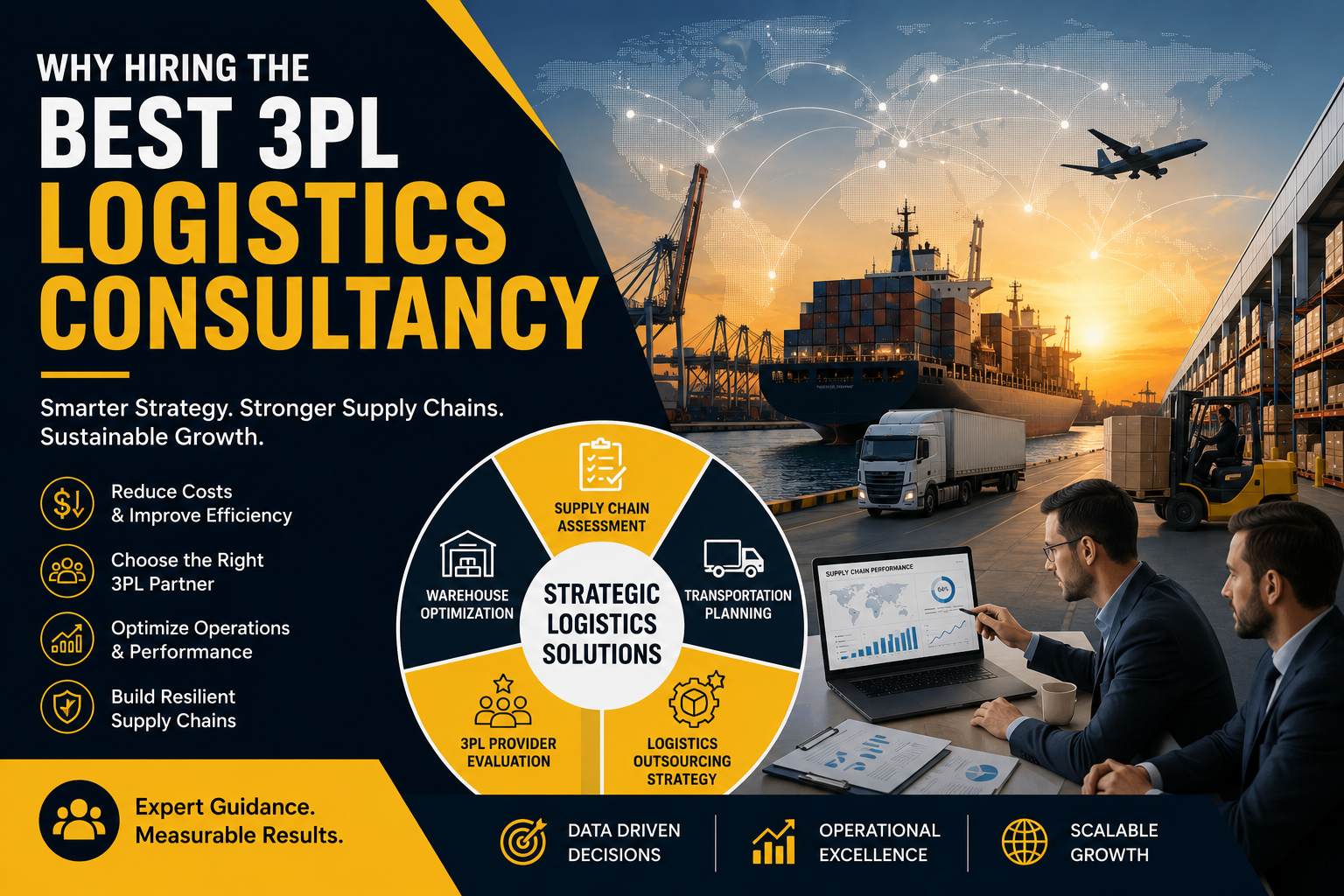
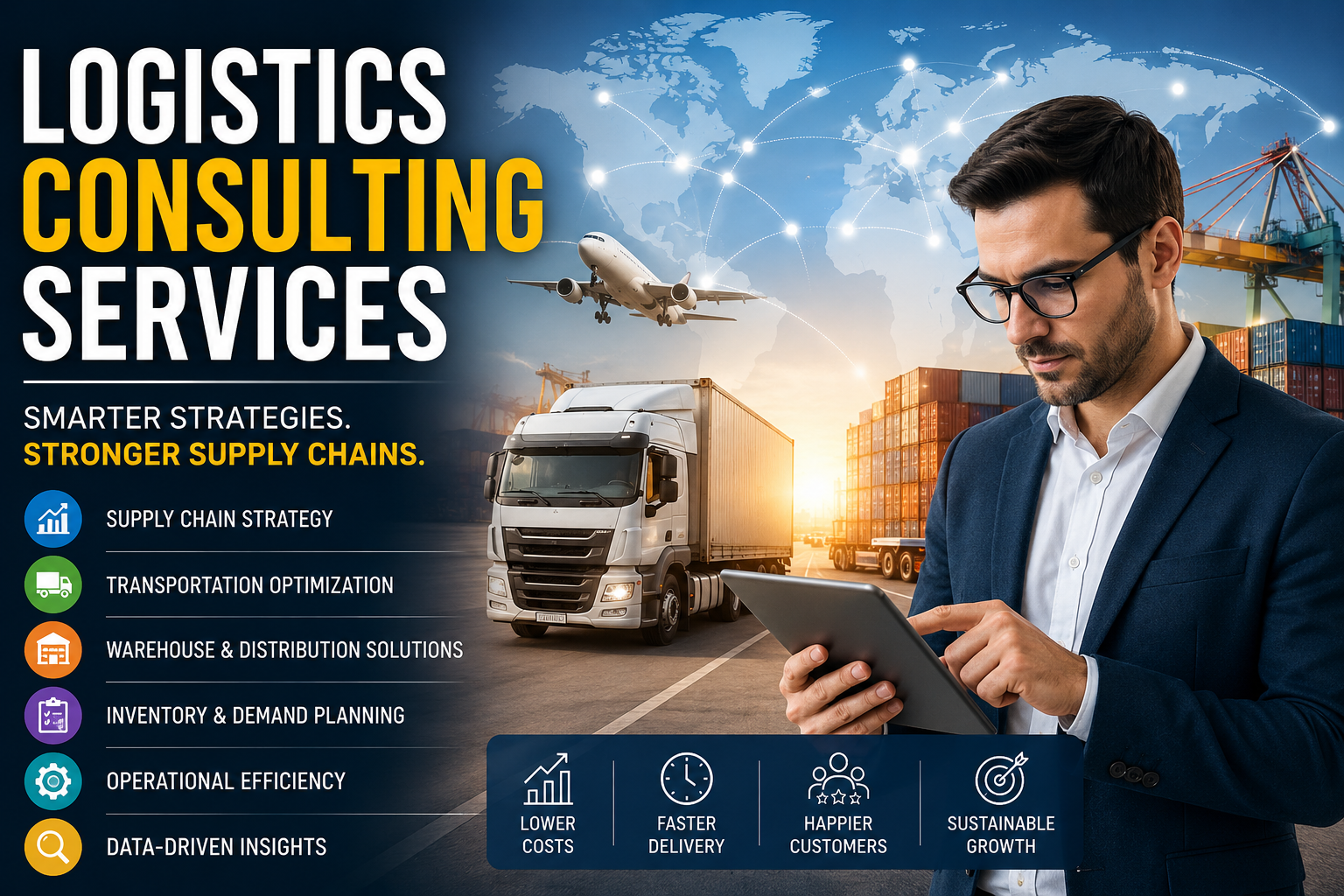
Their responsibilities often include transportation planning, warehouse optimization, supplier coordination, inventory analysis, technology recommendations, and overall supply chain improvement.
Many businesses also rely on logistics consulting services when expanding into new markets, introducing new product lines, or recovering from supply chain disruptions.
Why Businesses Invest in Logistics Consulting Services
Companies operate in an environment where customer expectations continue to increase. Fast deliveries, accurate inventory, and reliable service have become standard requirements rather than competitive advantages.
Businesses choose logistics consultants because they provide measurable improvements across multiple areas.
Lower Operating Costs
Reducing unnecessary expenses remains one of the biggest reasons companies hire logistics consultants.
Consultants evaluate transportation routes, shipping methods, warehouse layouts, and supplier relationships to uncover opportunities for savings. Even small operational improvements can generate significant financial benefits over time.
Improved Operational Efficiency
Efficient operations allow businesses to process orders faster while maintaining consistent quality.
Professional consultants analyze workflows and recommend improvements that reduce delays, eliminate repetitive tasks, and improve coordination between departments.
These operational changes often increase productivity without requiring major investments.
Better Customer Experience
Customers expect accurate deliveries and reliable service every time they place an order.
Logistics consultants help businesses improve order accuracy, shorten delivery times, and reduce shipping errors. These improvements strengthen customer trust and encourage repeat business.
The Importance of Supply Chain Advisory
Modern businesses require more than transportation planning alone. They need complete supply chain advisory that examines every stage of operations.
Supply chain advisory focuses on improving the entire flow of products, information, and resources from suppliers to customers.
This includes evaluating procurement strategies, supplier performance, production schedules, warehousing, transportation, and final delivery.
Instead of solving individual problems, consultants develop integrated strategies that improve overall business performance.
A well designed supply chain creates greater flexibility during market changes while reducing operational risks.
How Supply Chain Consultants Support Business Growth
Experienced supply chain consultants understand that every business has unique operational challenges.
Rather than applying identical solutions to every client, they develop customized strategies based on business goals, industry requirements, and customer expectations.
Their recommendations often focus on several important areas.
Warehouse Management
An organized warehouse improves productivity throughout the supply chain.
Consultants examine warehouse layouts, storage systems, receiving procedures, picking processes, and shipping operations.
Better warehouse management reduces travel time for employees, improves order accuracy, and increases storage capacity without expanding physical space.
These improvements allow businesses to process more orders while maintaining high service standards.
Inventory Management
Maintaining the right inventory levels is essential for profitability.
Too much inventory increases storage costs and ties up working capital. Too little inventory leads to stock shortages and disappointed customers.
Professional inventory management strategies use historical sales data, seasonal trends, and demand forecasting to determine appropriate stock levels.
This balanced approach improves cash flow while ensuring products remain available when customers need them.
Freight Forwarding
International trade introduces additional challenges that require specialized knowledge.
Effective freight forwarding involves coordinating shipments across multiple transportation providers while complying with customs regulations and international shipping requirements.
Logistics consultants help businesses simplify documentation, improve shipment visibility, reduce transportation delays, and minimize shipping costs.
For companies expanding into global markets, freight forwarding expertise becomes an important competitive advantage.
Technology Is Reshaping Modern Logistics
Technology has transformed the logistics industry during the past decade.
Businesses now have access to advanced software that provides real time visibility into inventory levels, shipment tracking, warehouse operations, and transportation performance.
Experienced logistics consultants help organizations select technology solutions that align with their operational goals rather than investing in unnecessary systems.
Warehouse management systems improve inventory accuracy.
Transportation management platforms optimize delivery routes and carrier selection.
Data analytics helps businesses identify trends before operational issues become costly problems.
When implemented correctly, technology improves decision making while increasing efficiency across the entire supply chain.
Common Challenges That Logistics Consultants Help Solve
Many businesses experience operational issues that are not immediately visible. Over time, these small problems reduce productivity, increase costs, and affect customer satisfaction.
Logistics consultants identify these challenges through detailed analysis and recommend practical solutions that deliver lasting improvements.
Poor Transportation Planning
Inefficient delivery routes and inconsistent carrier performance often increase transportation costs. Consultants review shipping data, evaluate carrier options, and develop transportation strategies that improve delivery reliability while reducing expenses.
Limited Supply Chain Visibility
Without accurate information, businesses struggle to make informed decisions. Consultants recommend systems that provide better visibility across purchasing, warehousing, transportation, and customer deliveries. This allows managers to respond quickly when unexpected issues arise.
Rising Operational Costs
Increasing fuel prices, labor expenses, and storage costs place pressure on business profitability. Logistics consulting services focus on improving efficiency so that companies can control costs without sacrificing customer service.
Choosing the Right Logistics Consultants
Selecting the right consulting partner is an important business decision. The best consultants combine technical knowledge with practical experience and a clear understanding of business operations.
When evaluating logistics consultants, businesses should consider several factors.
Industry Experience
Every industry has unique supply chain requirements. A consultant with experience in manufacturing may approach challenges differently than one who specializes in retail or healthcare.
Choosing professionals with relevant industry knowledge increases the likelihood of successful outcomes.
Proven Results
Reliable consultants should be able to demonstrate measurable improvements from previous projects. These may include lower transportation costs, improved warehouse productivity, reduced inventory levels, or faster order fulfillment.
Practical results build confidence and demonstrate real expertise.
Data Driven Recommendations
Successful supply chain improvements are based on evidence rather than assumptions.
Professional consultants analyze operational data before recommending changes. This approach helps businesses make informed decisions with greater confidence.
Strong Communication
Consultants work closely with leadership teams, warehouse staff, suppliers, and transportation partners. Clear communication ensures that recommendations are understood and implemented successfully.
Future Trends in Logistics Consulting
The logistics industry continues to evolve as technology and customer expectations change.
Businesses that adapt early are better prepared for future challenges.
Artificial intelligence is improving demand forecasting and route optimization. Automation is increasing productivity in warehouses, while predictive analytics helps businesses identify risks before they affect operations.
Sustainability is also becoming a major priority.
Companies are investing in cleaner transportation methods, energy efficient warehouses, and environmentally responsible packaging solutions. Logistics consultants play an important role in helping organizations achieve sustainability goals while maintaining operational efficiency.
Another growing trend is supply chain resilience.
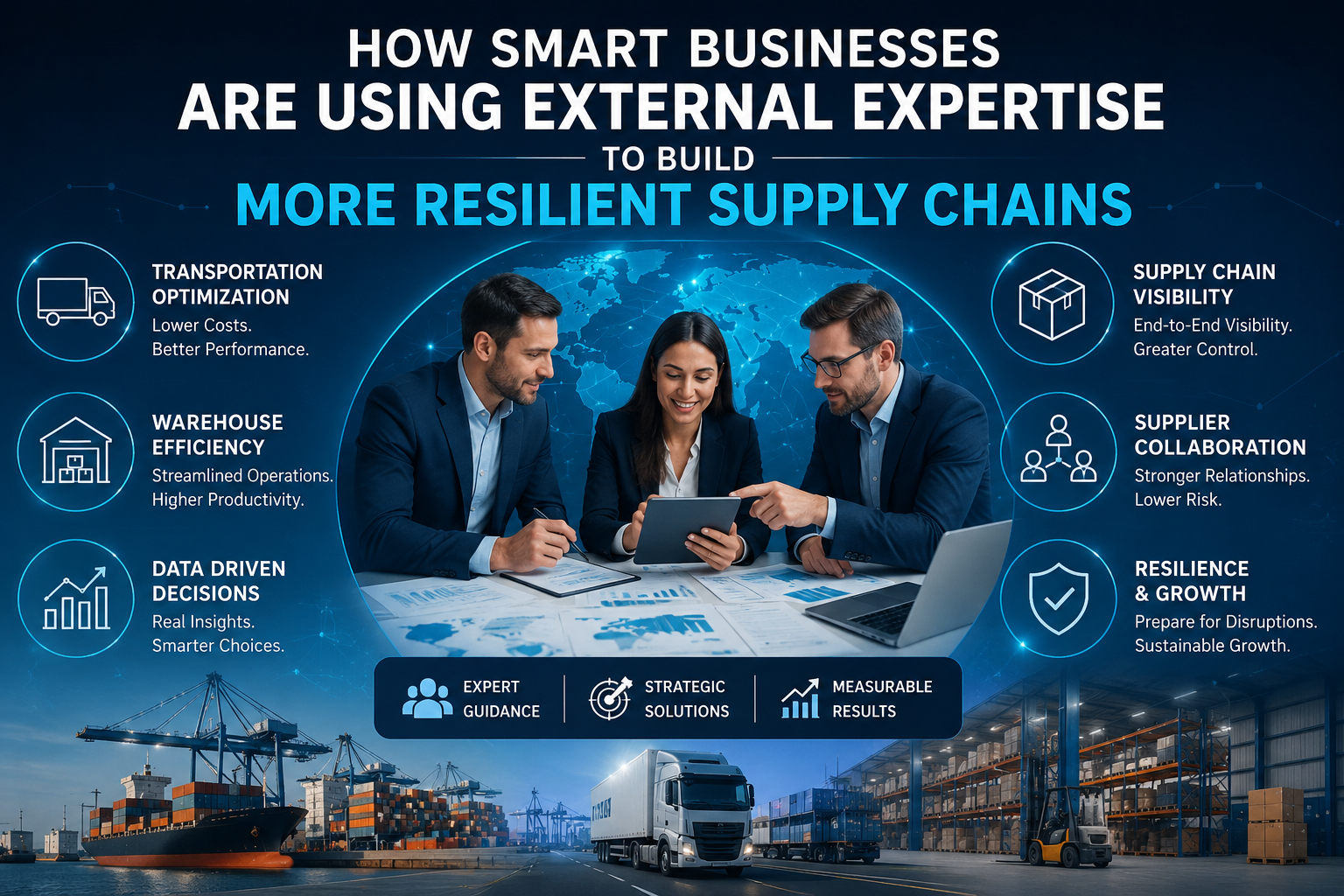
Recent global disruptions have shown the importance of flexible supply chains that can adapt quickly to unexpected events. Businesses are diversifying suppliers, improving inventory planning, and strengthening transportation networks to reduce future risks.
Why Expert Guidance Matters
Managing logistics requires continuous improvement.
Business conditions change, customer expectations evolve, and technology continues to advance. Companies that regularly evaluate their supply chain are better positioned to remain competitive.
Logistics consultants provide independent expertise that helps businesses identify opportunities for growth while reducing operational risks.
Whether improving warehouse management, strengthening inventory management, enhancing freight forwarding operations, or delivering complete supply chain advisory, experienced consultants create strategies that support long term business success.
Organizations that invest in professional logistics consulting services often achieve better efficiency, improved customer satisfaction, and stronger financial performance.
Conclusion
A well managed supply chain is one of the strongest assets a business can develop. Efficient operations improve customer satisfaction, reduce unnecessary costs, and create a solid foundation for future growth.
Logistics consultants bring valuable knowledge, practical experience, and objective analysis that help businesses overcome operational challenges with confidence. Their expertise extends beyond transportation and warehousing to include inventory management, freight forwarding, and complete supply chain advisory.
As markets continue to evolve, businesses that invest in expert guidance will be better prepared to adapt, compete, and grow. Working with experienced logistics consultants is not simply an operational improvement. It is a strategic investment that delivers lasting value across the entire organization.
Looking to improve your supply chain performance? Experienced logistics consultants can help your business reduce costs, improve operational efficiency, and build a stronger logistics network. Start evaluating your supply chain today and discover opportunities that support sustainable business growth.



Write a comment ...